In this section
Colour stages
A fresh bruise looks red, blue or purple. As the body breaks down haemoglobin, it turns greenish (biliverdin), then yellow (bilirubin). Iron stored as haemosiderin can leave a yellow-brown tint that lasts longer than the bruise itself.
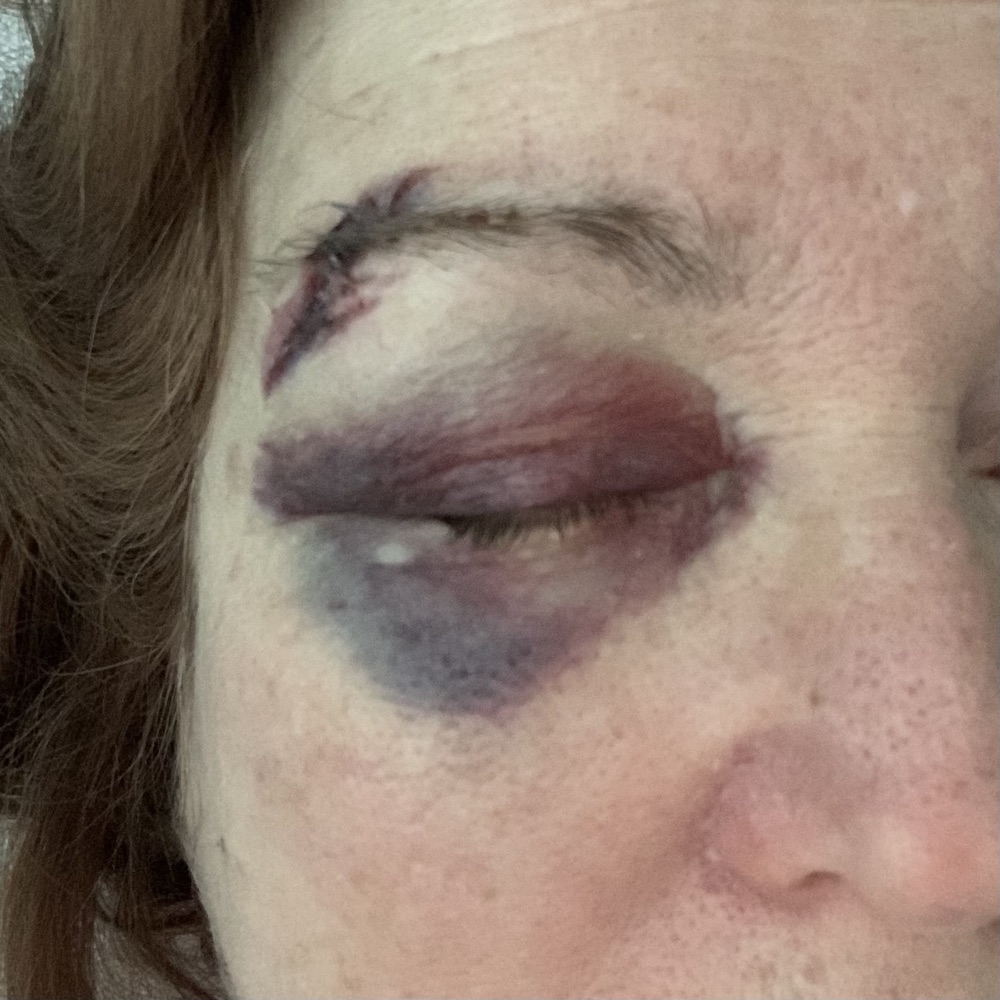
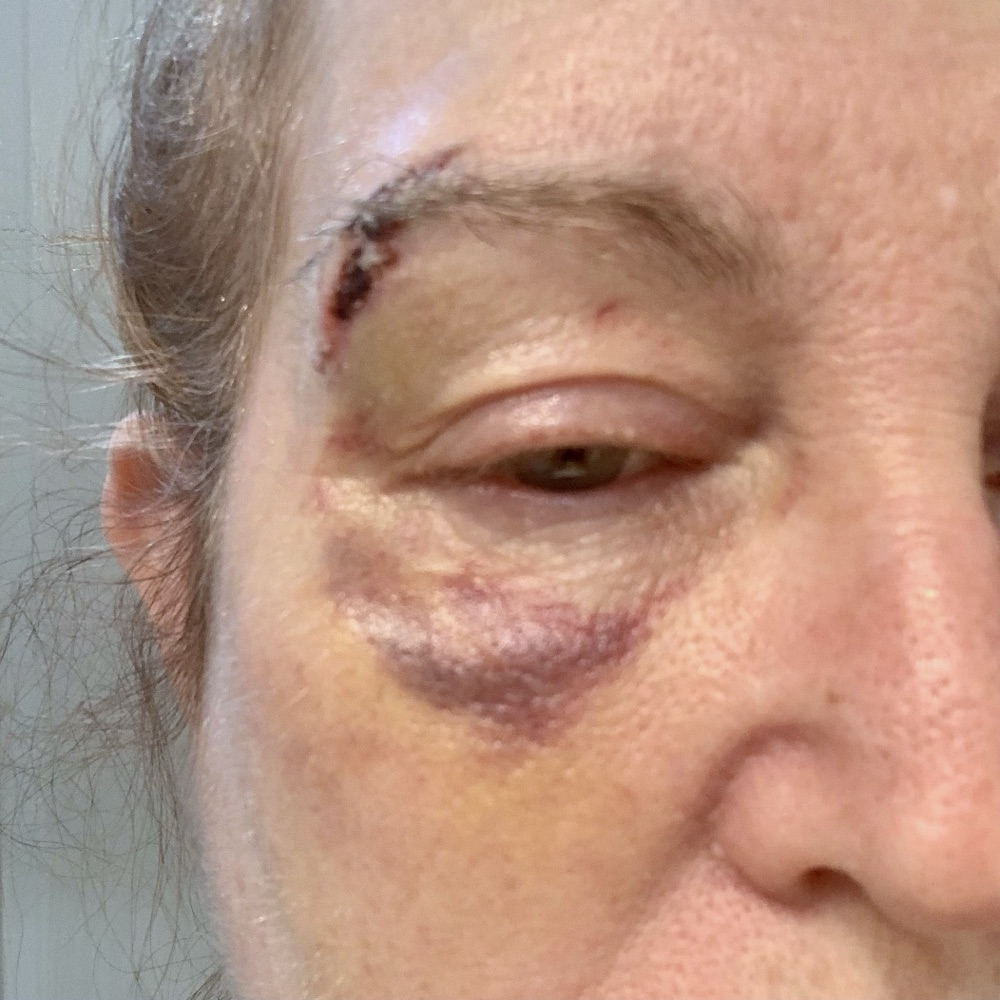
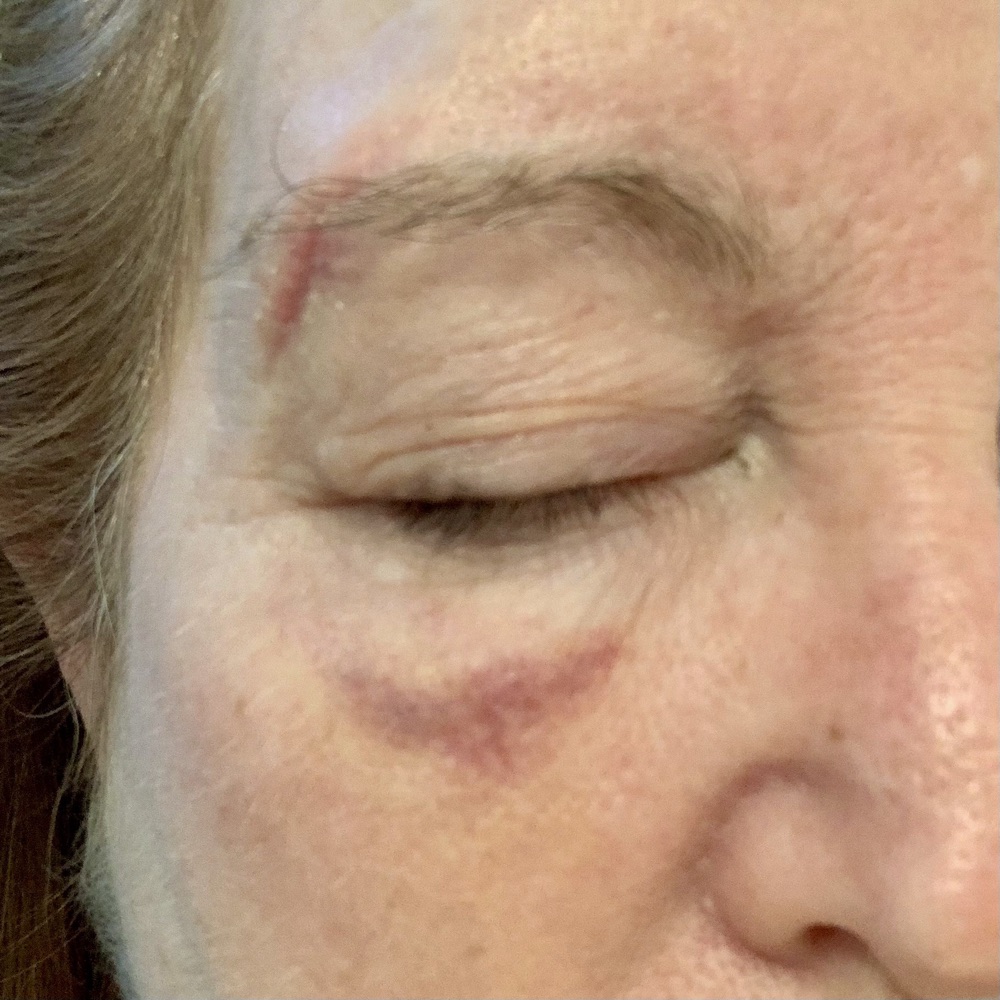
Larger, flat bruises (ecchymosis) typically range from dark blue to purple, with a greenish tint as they fade. The photos below follow one bruise over two weeks.
Healing timeline
A bruise fades as the body gradually reabsorbs the blood, changing colour along the way. The photos above show one bruise 48 hours after the incident, then after 7 and 14 days.
Deeper bruises and haematomas can take longer, and the yellow-brown tint of haemosiderin can outlast the bruise itself. If a bruise doesn’t improve as expected, see your doctor.
Helping a bruise fade
Rest the area, apply a cold pack wrapped in cloth for 10–20 minutes at a time in the first day or two, and raise the limb if you can.
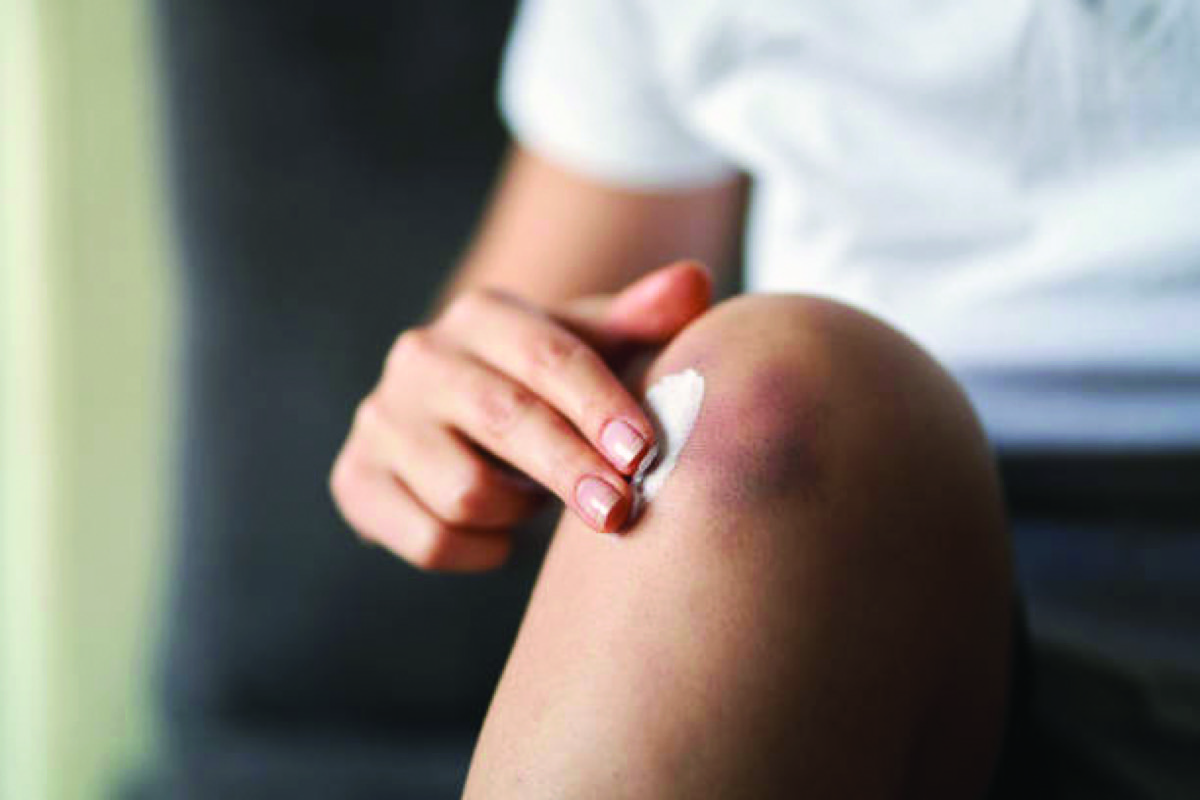
Bruise-eze® cream is indicated for bruising, haematoma and the discolouration they can leave, helping support the skin’s healing process. For intact skin only: apply to the affected area twice a day.
Keep reading
Where to buy
Find Bruise-eze® at a location near you
Enter your postcode to show stockists.