In this section
The layers of the skin
Our skin is the first barrier between the inside and outside of our body against harmful or potentially toxic elements, such as heavy metals. It has three main layers:
- Epidermis: the thin outer layer that forms the skin’s protective barrier.
- Dermis: the layer beneath, containing blood vessels, nerves and connective tissue. This is where bleeding happens when you bruise.
- Hypodermis: the deepest layer, made mostly of fat and connective tissue that cushion the body.
Phases of wound healing
Skin repairs itself in overlapping phases:
- Haemostasis: bleeding stops and a clot forms.
- Inflammation: the body clears damaged tissue; some swelling and redness is normal.
- Proliferation: new tissue and blood vessels form, and new skin cells move in to cover the area.
- Remodelling: the new tissue strengthens and matures over the following weeks and months.
Where lactoferrin fits
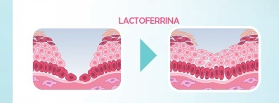
Lactoferrin supports several of these steps. It binds iron, protecting tissue from its harmful effects. It decreases edema by modulating the cell functions involved in the inflammatory process. And it significantly promotes the proliferation and migration of keratinocytes, essential factors for the epithelialisation of damaged tissue.
Keep reading
Where to buy
Find Bruise-eze® at a location near you
Enter your postcode to show stockists.